
( Toronto People With AIDS Foundation)
Written by Jila M. Negari, July 2023.
Introduction
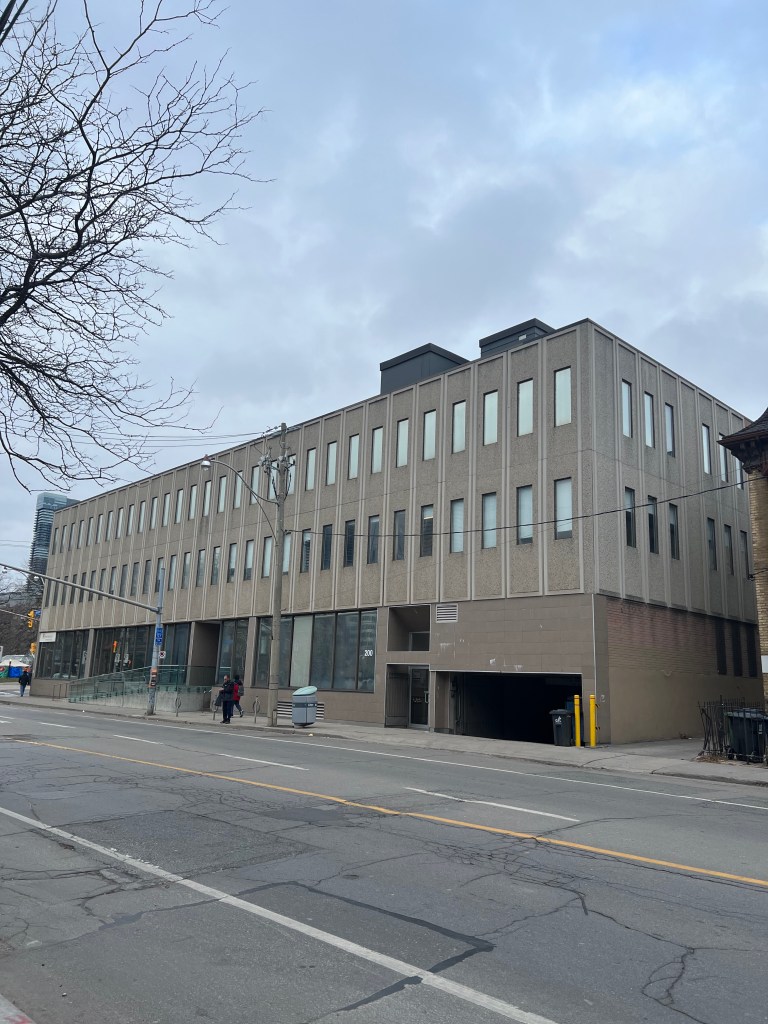
On Gerrard Street in the heart of downtown Toronto, the gray and nameless building of the PWA Foundation have thousands of untold stories. The stories are of stigma, isolation, and dreams. Low and Merry believe that “Engagement takes place during fieldwork” (Low and Merry 2010, p. 203). During my field work, I recognized that the term engagement is both familiar and unfamiliar. For me, as an anthropology student, it was familiar because it is one of the most approved maxims in many of my courses. Its unfamiliarity stems from the real concept of “engagement” which cannot be well-understood simply through theory . Astonishingly, this placement course gave me some opportunities to acquaint myself with real connotations of engagement, the engagement of me and my fieldwork, as well as the intra and extra engagements of physical and mental elements and subject of the field. My overall experience of this fieldwork has been full of astonishment; I was astonished by meeting many different people with different cultural identities, those who had lots of stories to tell about their marginalized lives, yet they all gathered to collaborate, participate, and engage in making a change, either for themselves or for the lives of other marginalized people in need. Nonetheless, for me, this astonishment was a great opportunity to improve my knowledge of how different people understand their identities through a series of sequential events and happenings such as understanding homosexuality, the injustice of being refugee, the challenging truth of HIV/AIDS, living in shelters or identifying as homeless, and thousands of other sociopolitical dilemmas. This fieldwork, for me, was an introduction for further engagement in exploring the real world, beyond the theoretical world of academia.
My engagement in fieldwork through sensory anthropology
In this marginalized place, the vibrant collaborations of sharing and support gave me the opportunity to get involved in all kinds of volunteer work and community participation, from customer service jobs, to participating in an Indigenous healing ceremony, to engage with street actions and demonstrations, to presenting myself as a translator for Persian and Afghan individuals, and to collaborate with volunteers from different cultures and different nationalities.
My participation in essentials markets
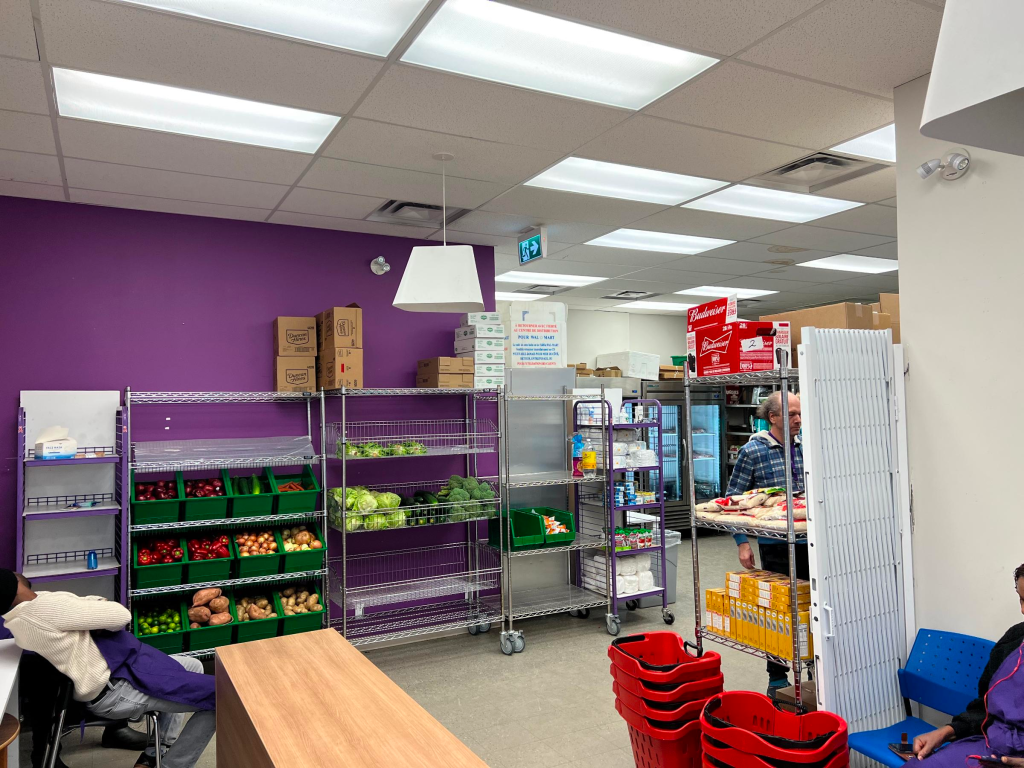
For me, participating in the food bank was a great chance to communicate with many people who come mostly from African countries as refugees deal with the fear of illness and the issues of race, gender, class, and sexuality. My collaboration with the multicultural commune not only helped me to understand the difficulties faced by different people dealing with different socioeconomic issues, but also gave me the opportunity to improve my anthropological skills in terms of the practice of making rapport through participant observation in the field.
My participation in Indigenous ceremony
Every Friday, I had a great chance in participating in a sacred healing ceremony which takes part in a room located on the main floor of PWA foundation. This fantastic ritual ceremony leads by an Indigenous spiritual advisor, Rad Michano. Participating in this Indigenous healing ceremony was an amazing opportunity for me to conduct some ethnographic methods such as participant observation, photography, recording a voice, taking notes, and designing open-ended questions for some informal interviews which resulted in me gaining better understanding how some people dealing with their HIV infection not by clinging to medical treatments, but by resorting to spiritual performance.
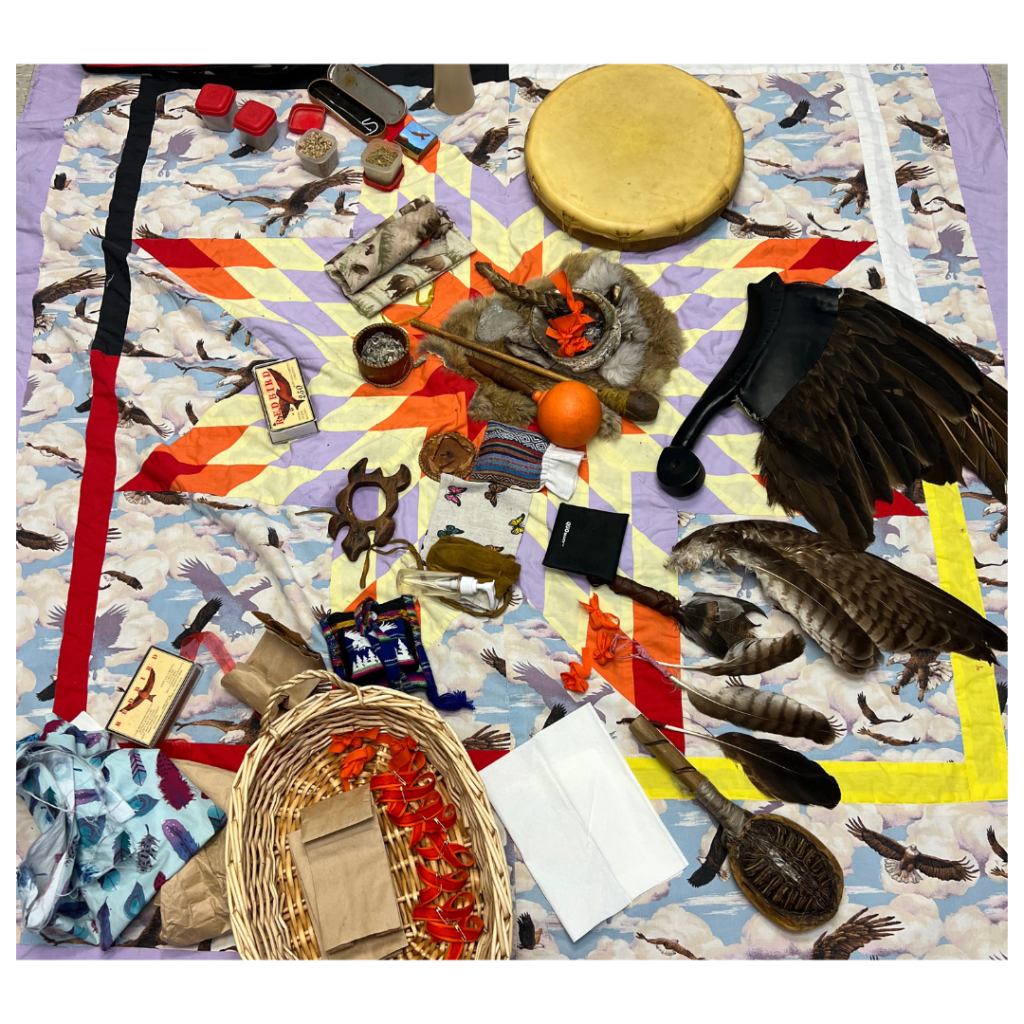
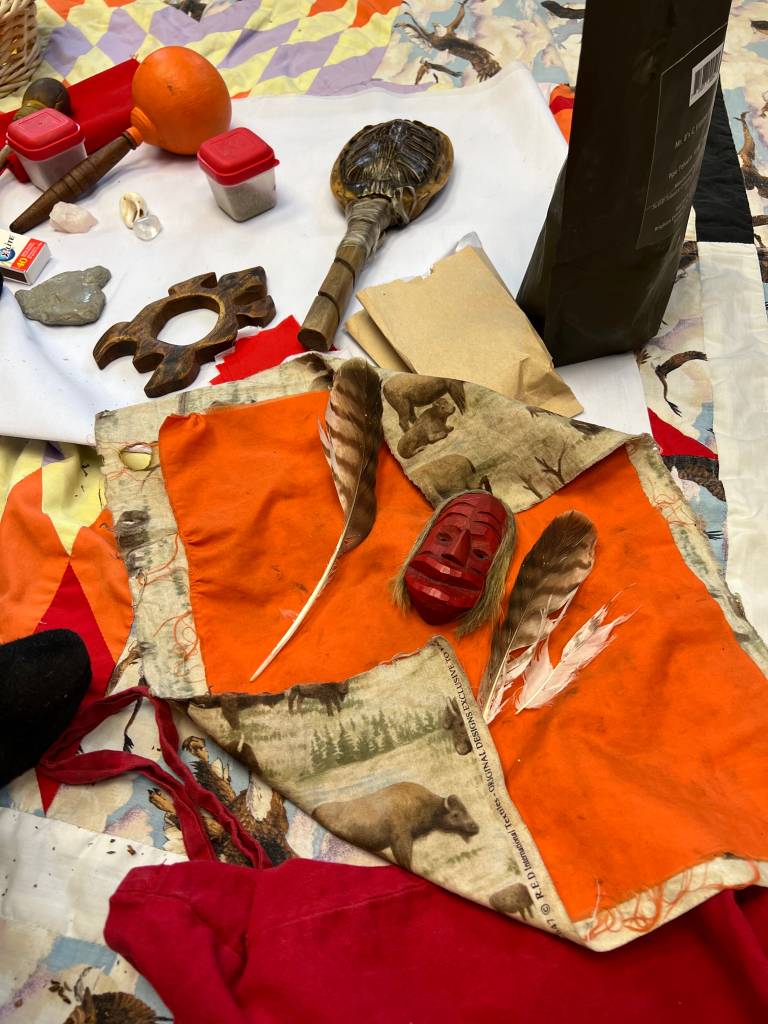

This Indigenous sacred ceremony gave me the taste of “home” where those people in despair, seek their hope in a spiritual sphere beyond the material world. Through sensory anthropology, I learnt how to see the world differently; I learnt how to adopt my whole visible and invisible senses to get a full engagement with the fieldwork. Participating in this Indigenous sacred ceremony with its aromatic smell of smoked sage, with its blessed taste of foods, and with its harmonious performance of drumming created a common sense between me and those people who seek for wellness, happiness, and a peaceful life.
PWA through aesthetic artworks: Art therapy
At PWA, the program of art therapy helps people to explore self-expression and to find new ways to gain personal insight and develop new coping skills. The participants believe that art therapy can help them explore their emotions, develop their self-awareness, cope with their stress, and boost their self-esteem. The name of the artists remain secret in terms of confidentiality. Pride art expo with Pablo:
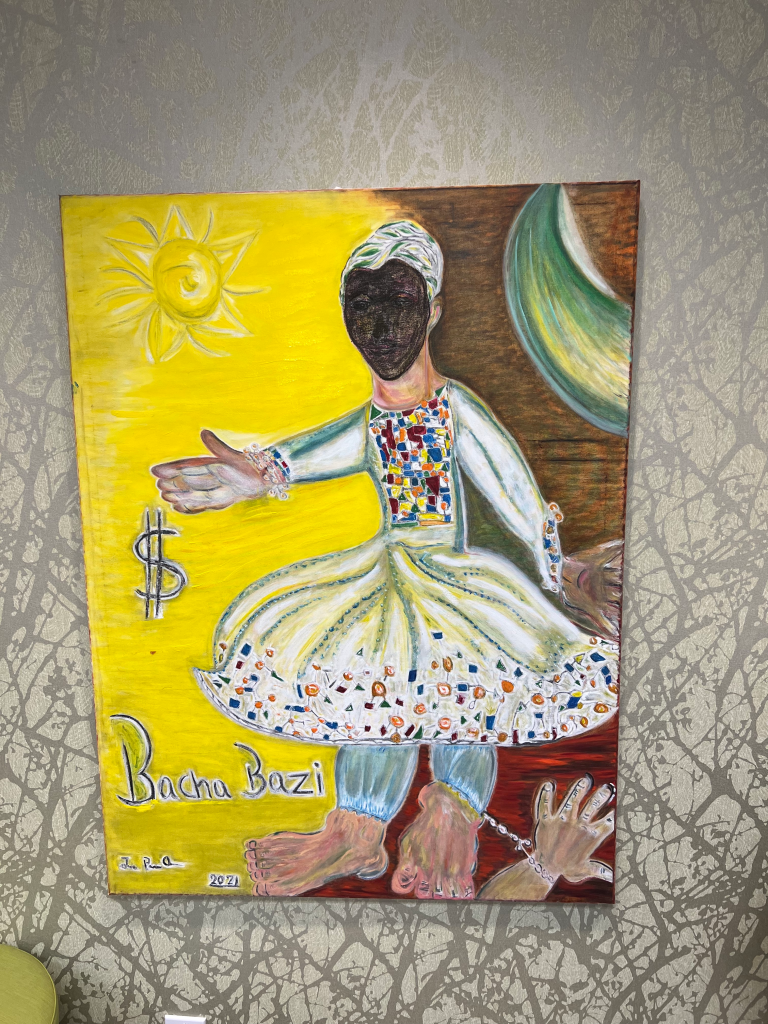
The illustration of the custom of child sexual abuse in Afghanistan.

The illustration of cultural genocides of Indigenous peoples.
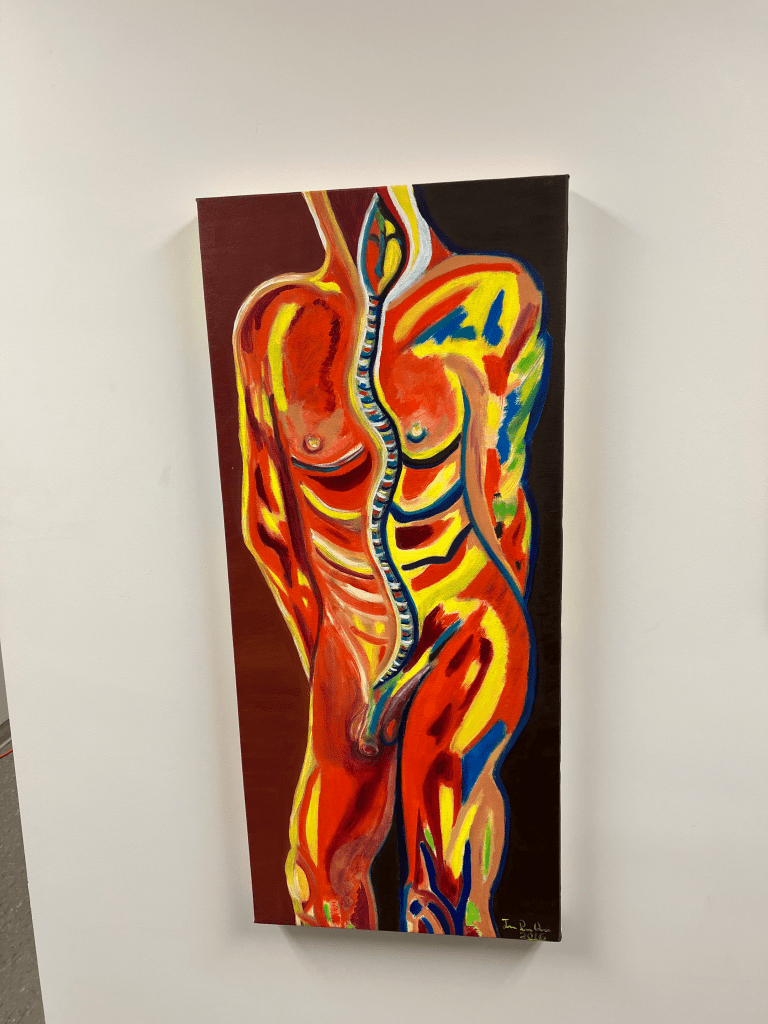
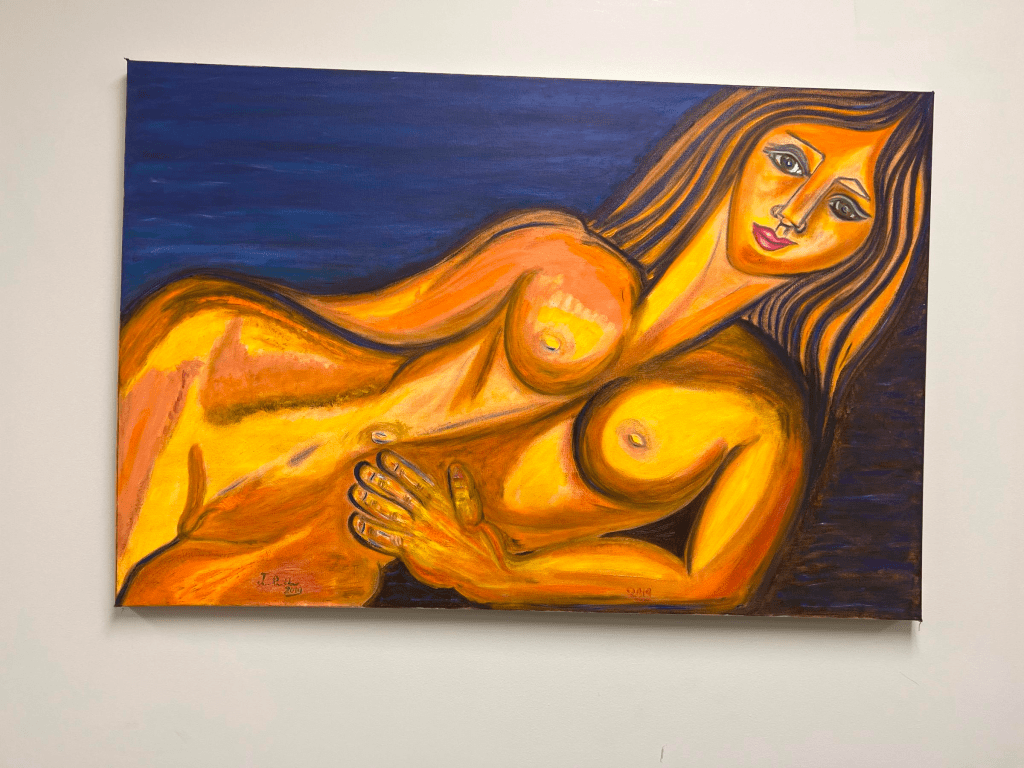
Indeed, working with these amazing people in a friendly environment helped me to enhance my communication skills, achieve some knowledge regarding different cultures particularly Black-Canadian people and Indigenous communities, and to make an assessment of my capacity for a future carrier. Thank you guys. I love you all!
PS: A special thanks to Dr. Gururani & Dr. Schmid for providing this opportunity for me to work in PWA Foundation due to the placement course ANTH 4130.
References:
LOW, Setha M, Sally ENGLE MERRY, Mark GOODALE, Catherine LUTZ, James PEACOCK, David H PRICE, Jamie SARIS, Maria Teresa SIERRA, Merrill SINGER, and Claire SMITH. “Engaged Anthropology: Diversity and Dilemmas: An Introduction to Supplement 2: Engaged Anthropology: Diversity and Dilemmas.” Current anthropology 51 (2010).
 Eyes On Visual Anthropology
Leave a comment